

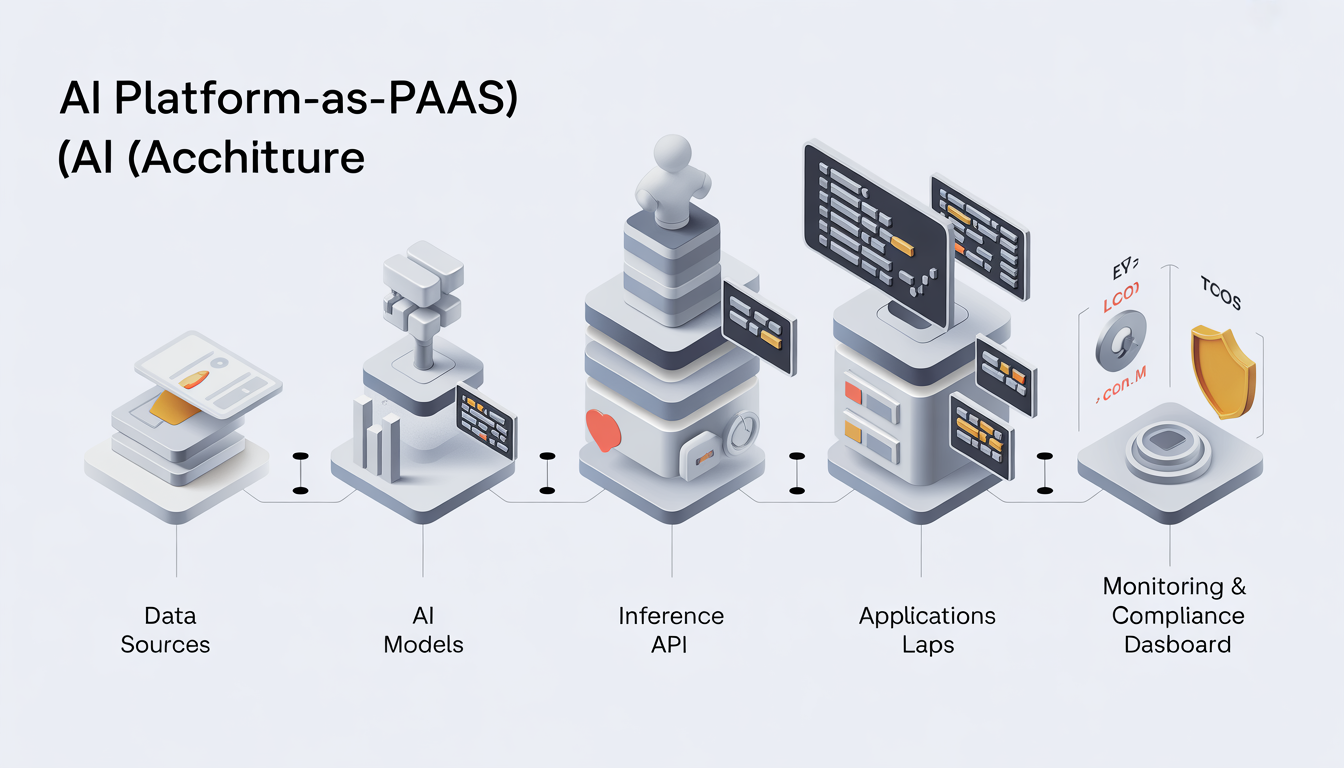
(With Architecture, Code & Real Use Cases)
Table of Contents
What Is AI PaaS — and Why SaaS Is No Longer Enough
AI PaaS Architecture: From Data to Deployment
AI PaaS vs SaaS vs IaaS (No Marketing Lies)
Real-World AI PaaS Use Cases Across Industries
Security, Compliance & Scaling Risks Nobody Warns You About
How to Start Building on AI PaaS (Step-by-Step)
What Is AI PaaS — and Why SaaS Is No Longer Enough
Traditional SaaS was built for rules-based software.
AI products are not rules-based. They are data-driven, probabilistic, and continuously evolving.
That’s where AI Platform-as-a-Service (AI PaaS) comes in.
AI PaaS provides:
Managed model hosting
Data pipelines
Inference APIs
Monitoring, logging, and scaling
Built-in compliance and access control
Instead of stitching together cloud services manually, AI PaaS gives teams a ready-made backbone for AI products.
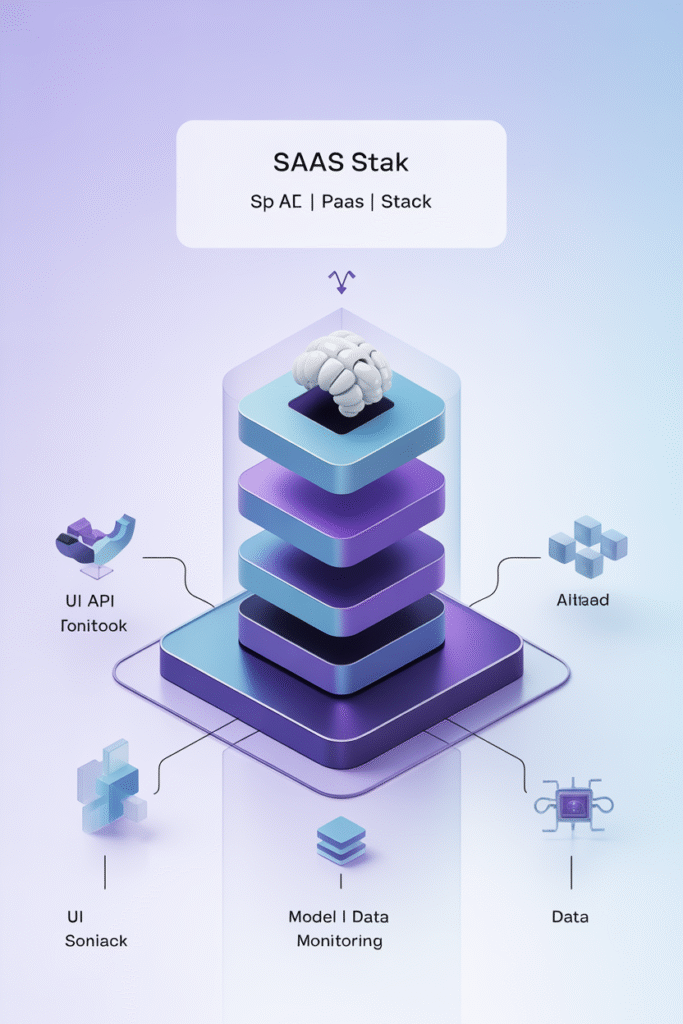
→ Want a checklist of what an AI PaaS must include? Download the architecture breakdown.
AI PaaS Architecture: From Data to Deployment
At a high level, every serious AI PaaS follows this flow:
Data → Model → Inference API → Application → Monitoring
Let’s break that down.
1. Data Layer
Structured / unstructured inputs
Validation & preprocessing
Secure storage
2. Model Layer
Trained ML / LLM models
Versioning
Rollback support
3. Inference Layer
REST or gRPC APIs
Authentication & rate limiting
Latency optimization
4. Monitoring & Logging
Usage logs
Accuracy drift
Access audits
Minimal AI Inference API (Python Example)
from fastapi import FastAPI
from pydantic import BaseModel

app = FastAPI()

class Input(BaseModel):
    text: str

@app.post("/predict")
def predict(input: Input):
    result = model.run(input.text)
    return {
        "output": result,
        "model_version": "v1.3.2"
    }
This is what AI PaaS abstracts for you:
Hosting
Scaling
Security
Monitoring
You focus on product logic, not infrastructure babysitting.
→ See how production-grade AI APIs differ from toy demos.
AI PaaS vs SaaS vs IaaS (No Marketing Lies)
Most confusion comes from vendors blurring definitions. Let’s be precise.
| Feature | SaaS | IaaS | AI PaaS |
|---|---|---|---|
| Target User | End customer | Engineers | Product teams |
| Model Hosting | ❌ | Manual | ✅ |
| Scaling | Limited | Manual | Automatic |
| AI Monitoring | ❌ | ❌ | ✅ |
| Compliance Controls | Minimal | DIY | Built-in |
Key truth:
If you’re building an AI product on raw IaaS without AI PaaS features, you’re reinventing the wheel badly.
→ Not sure which model fits your product? Use the decision framework.
Real-World AI PaaS Use Cases Across Industries
AI PaaS isn’t theoretical. It’s already powering production systems.
1. Legal Tech
Document analysis
Contract risk scoring
AI research assistants
AI PaaS matters here because:
Every query must be logged
Access must be auditable
Models must be version-locked
2. Healthcare
Clinical documentation
Diagnostic support
Workflow automation
AI PaaS handles:
Latency requirements
Data isolation
Continuous monitoring
3. SaaS Products
AI copilots
Recommendation engines
Automated support
Without AI PaaS, SaaS teams hit:
Model drift
Cost explosions
Untraceable failures
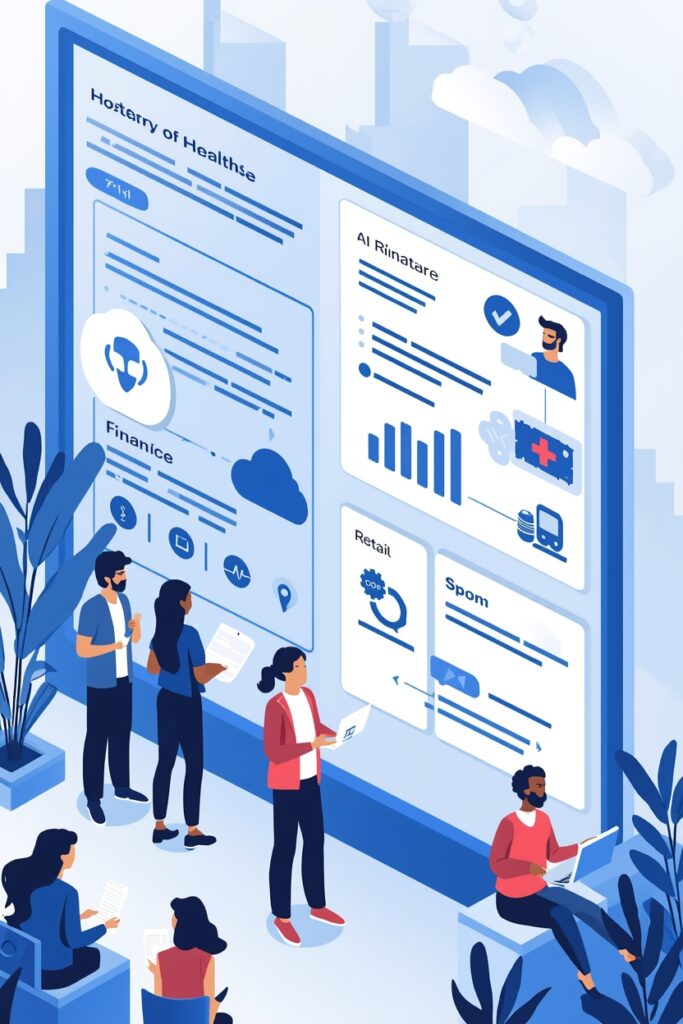
→ See AI PaaS patterns by industry.
Security, Compliance & Scaling Risks Nobody Warns You About
This is where amateur implementations collapse.
Common failures:
No inference logs
Shared API keys
No model version tracking
Zero access audits
Minimal Compliance Logging (Pseudo-Code)
on AI_request:
    record user_id
    record model_version
    record timestamp
    record input_hash
    store securely
If you can’t answer:
Who used the model?
Which version responded?
What data was processed?
You’re already exposed.
AI PaaS systems force discipline here — DIY stacks usually don’t.
→ Avoid these compliance mistakes — get the checklist.
How to Start Building on AI PaaS (Step-by-Step)
This is the practical path.
Step 1: Define Your AI Boundary
What decisions does AI make?
What decisions stay deterministic?
Step 2: Choose Your Model Strategy
Proprietary
Open-source
Hybrid
Step 3: Wrap Everything in an Inference Layer
Example frontend call:
fetch("/predict", {
  method: "POST",
  headers: { "Content-Type": "application/json" },
  body: JSON.stringify({ text: userInput })
})
.then(res => res.json())
.then(data => console.log(data.output));
Step 4: Monitor From Day One
If you add monitoring “later”, you won’t add it at all.
Step 5: Scale Only What Matters
AI PaaS lets you:
Scale inference, not everything
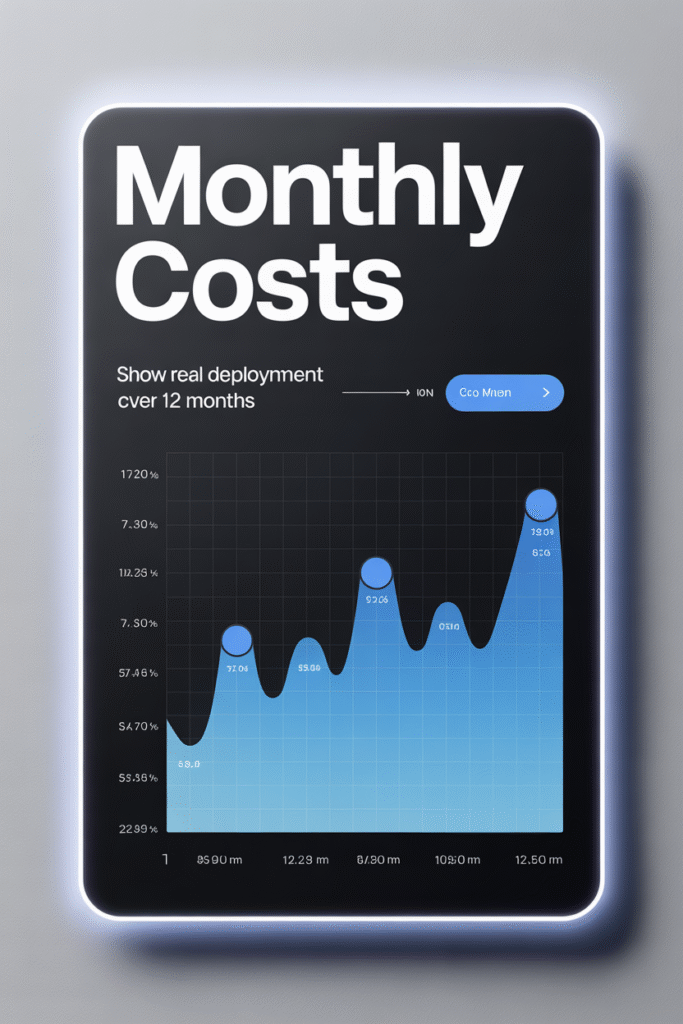
Track cost per request
Optimize usage patterns
→ Want a real AI PaaS blueprint? See how TechInnGlobal approaches production AI.
Final Takeaway
AI products fail not because models are weak —
they fail because infrastructure is naive.
AI PaaS is not a buzzword.
It’s the difference between:
demos and products
experiments and businesses
If you’re serious about shipping AI in 2026, AI PaaS is the baseline, not an upgrade.